Insuring Older Trucks and Trailers: What Fleet Owners Should Know
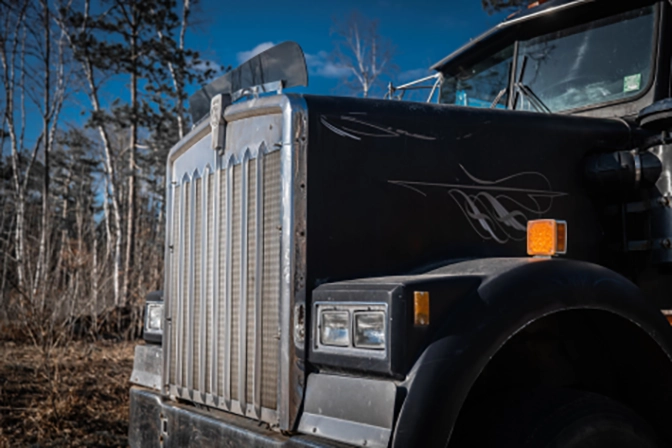
In trucking, older equipment doesn’t necessarily mean “poorly maintained” or “run-down." In fact, depending on the operation, older vehicles are sometimes just as well maintained, if not better, than newer equipment.
That’s why conversations about insurance and older trucks can be frustrating. Owners know what they have, but insurers might not always see that right away.
For a long time, age alone carried a lot of weight. It was an easy filter, but that’s started to change.
Acuity has updated how older trucks and trailers are considered. Age is part of the picture, but it isn’t the whole story.
Older Trucks Aren’t All the Same
Anyone who’s spent time around fleets has seen it: two trucks, same year, very different conditions.
One has clean records, steady maintenance, and drivers who know it well. The other may not pass its inspection.
Calendar age alone can’t explain that difference, but management of the truck can.
That’s why inspection policies, maintenance practices, and the overall safety history tend to carry more weight to insurers than model year alone. A newer truck that’s neglected can create more problems than an older truck that is well maintained and can pass DOT inspections.
Why Fleets Hold Onto Vehicles
In challenging economic times, businesses may be forced to keep older trucks. In some cases, it makes sense.
Truck prices fluctuate. Availability changes. Payments don’t stop when freight slows down. For many operations, a paid-off truck provides breathing room and allows flexibility when work gets tight or markets shift.
It’s also common to see mixed fleets—newer trucks handling longer runs and older units staying closer to home. That setup exists because it works well.
What Helps When Insuring Older Vehicles
When older trucks or trailers are part of the fleet, good documentation makes the conversation easier. Maintenance records don’t need to be elaborate—they just need to be accurate and up to date.
Inspection history also matters, along with a realistic view of how the truck is being used—mileage, routes, and type of work. Those details help tell the full story and prevent age from being the only thing anyone sees.
What This Means in Practical Terms
For owner-operators, this may mean more insurance quote options when a dependable truck doesn’t fit a narrow age window.
For small and mid-size fleets, it can help when vehicle or truck ages vary across the yard, which is often the case.
Underwriting decisions still look at the whole picture, and they always will. But older, properly maintained vehicle equipment, on its own, is less likely to be the deciding factor than it used to be.
A Realistic Way Forward
In trucking, what matters is whether the equipment is dependable and maintained—not just how long it’s been on the road. For fleets that stay on top of maintenance and inspections, older vehicles don't have to limit coverage options.
If older trucks or trailers are part of your operation and insurance questions have come up before, it may be worth revisiting the conversation. Acuity has expanded its appetite to allow more flexibility with older equipment, and an Acuity independent insurance agent can help review options based on how your vehicles are maintained and used.
You can learn more about Acuity’s commercial truck insurance here.



An insurance company that cares about you and insuring the things you wish to be insured.
Get a Quote> Find an Agent>