Fire Safety Tips for Auto Repair Shops
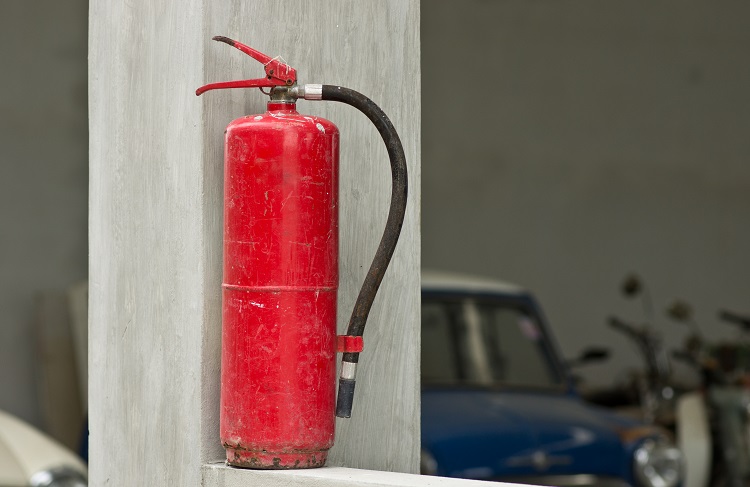
According to Acuity’s internal data, fire is one of the most common claims for auto repair shops. Unfortunately, fire also causes some of the most expensive claims. Luckily there are some things you can do to help reduce the likelihood and severity of a fire at your auto repair shop.
Here are a few tips for reducing the risk of fire in your shop:
- Maintain strong housekeeping and complete preventive maintenance on time. Remove trash and waste daily, clean up oil spills promptly, and place oily rags in listed metal containers with self-closing lids to help reduce the risk of spontaneous combustion. Empty these containers regularly and dispose of the contents in an approved outdoor waste container located away from the building. Schedule routine inspections and preventive maintenance for electrical systems, HVAC equipment, hydraulic lifts, and fire-protection equipment.
- Replace flammable cleaners with water-based alternatives where practical. Many shops have success using water-based cleaners in parts washers. When flammable products such as brake cleaner, carburetor cleaner, or solvent-based spot cleaners are needed, keep only small working quantities in the work area and keep containers closed when not in use.
- Dispose of waste fluids properly. Waste solvent collection drums should be metal, compatible with the waste being collected, and kept closed except during active filling. Leaving a funnel in place can make disposal quicker, but it may leave the container effectively open, increasing vapor release, spill potential, and fire risk.
- Establish procedures for handling fuel removed during repair. Do not leave this to chance. Fuel should be placed in an approved, closed container and removed from the work area as soon as practical. Clean fuel may be returned to the vehicle when appropriate; contaminated fuel should be managed as waste.
- Be mindful of service pits. Service pits increase fire concerns because spilled fuel and vapors can collect in low areas and reach ignition sources away from the original work area. Fuel system work above or near a service pit increases concern because vapors may settle into the pit and remain in the area.
- Avoid buying flammable liquids in bulk unless your shop is set up to transfer them safely. Dispensing flammable liquids from drums may require bonding and grounding to control static electricity. Smaller, ready-to-use containers can reduce the chance of unsafe transfers, improper containers, or missed bonding steps. If larger quantities are needed, use approved containers, have a qualified contractor verify that the transfer and grounding setup is appropriate, train employees on safe transfer procedures, and monitor the area and work practices regularly.
- Use listed flammable liquid storage cabinets. Place cabinets away from heat sources, doors, stairs, walkways, and exit paths. Mark cabinet locations on a building diagram and share that information with the local fire department when appropriate. Work with suppliers to schedule routine deliveries of smaller quantities when possible, reducing the need for multiple cabinets in the shop.
- Store tires separately from flammable liquids, hot work areas, battery charging areas, and other ignition sources. Keep tire storage neat and do not block access to fire extinguishers, electrical panels, exits, or fire-protection equipment. Tire fires can be difficult to extinguish and can rapidly involve nearby combustible materials.
- Check with your local fire department or waste authority for guidance on safely storing, handling, and disposing of damaged or removed electric vehicle batteries. Many jurisdictions are developing specific procedures for lithium-ion battery incidents and disposal.
- Use electrical equipment properly. Keep electrical equipment, plugs, and cords in good condition. Use extension cords only for temporary power. If extension cords are powering permanent equipment, running through ceilings or walls, or mounted to posts or walls, have permanent wiring installed by a qualified electrician in accordance with code requirements.
- Control battery-powered tool charging. Designate a charging area, keep it organized, and keep batteries away from combustibles while charging. Avoid charging batteries when no one is in the shop. Remove damaged batteries from service and dispose of them according to local requirements. Purchase listed replacement batteries that are compatible with the equipment; unlisted or incompatible batteries may not meet required safety standards.
- Use care with spray painting. Spray finishing with flammable or combustible materials should be performed in a properly designed and ventilated spray booth or spray area with appropriate fire protection. For very small touch-ups, follow the product instructions and local requirements, control ignition sources, and avoid overspray onto other vehicles or combustible materials.
- Guard against fires from hot work and welding. It is best to designate a hot work area where combustible materials and flammable liquids are not allowed. If a dedicated area is not feasible, housekeeping throughout the shop must be exceptional, and combustibles must be moved or protected before welding, cutting, or grinding begins.
- Inspect hydraulic lifts before use. Leaks should be repaired by a qualified technician. Hydraulic fluid can fuel a fire, and a lift failure can also severely injure a technician and damage the vehicle.
At Acuity, we offer expert risk control services to our business policyholders at no extra charge. Our Risk Control Consultants are safety and insurance professionals who have college degrees, technical certifications, and an average of 25 years of experience in the field. These consultants partner with our customers to help minimize the risk of future losses by assisting with safety and loss prevention initiatives.



An insurance company that cares about you and insuring the things you wish to be insured.
Get a Quote> Find an Agent>