5 Benefits of Dash Cams
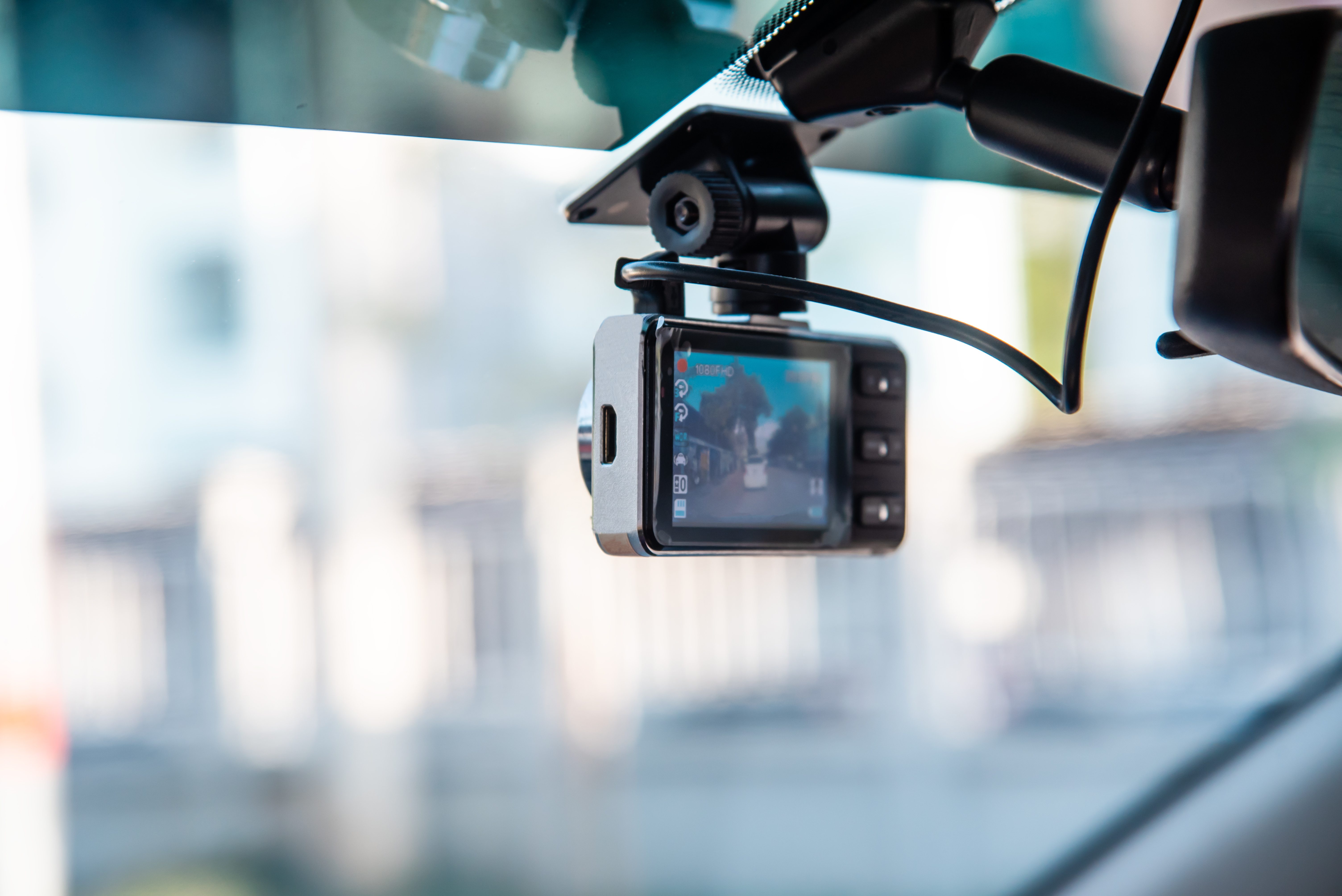
Dash cams have become increasingly common in both personal and commercial vehicles. Once considered a niche accessory, they’re now widely used by drivers and business owners who want added visibility into what happens on the road.
Whether installed in a personal vehicle or across a fleet, dash cams may offer a range of potential benefits — from documenting accidents to supporting broader safety efforts.
Here are five ways dash cams can add value.
1. Video documentation of accidents
One of the most recognized benefits of a dash cam is its ability to record footage before, during, and after an accident.
In certain situations, video evidence may help clarify what occurred and provide helpful context during the claims process. When liability is unclear or accounts differ, footage can sometimes reduce disputes and support a more efficient resolution.
For commercial vehicles, documentation may also assist with recovery efforts if another party is at fault. While outcomes vary, video evidence can strengthen the overall understanding of an incident.
2. Monitoring while parked
Some dash cams offer motion detection or parking modes that continue recording even when the vehicle is off.
This feature may help capture:
-
Hit-and-run incidents
-
Vandalism
-
Theft attempts
For both personal and commercial vehicles, having video documentation of damage that occurs while parked can provide additional context if a claim is filed.
3. Encouraging safer driving habits
For individual drivers, reviewing dash cam footage may help identify opportunities to improve driving habits.
For businesses, dash cams can sometimes support internal driver coaching efforts. When used as part of a broader safety program, footage may help identify patterns such as hard braking, distracted driving, or unsafe following distances.
Some fleet operators report that increased visibility may encourage more attentive driving, though results depend on company culture, communication, and training.
4. Potential protection against fraudulent or disputed claims
Dash cam footage may provide helpful context in situations involving disputed liability or suspected staged accidents.
While not every incident can be fully captured on video, documentation may help demonstrate how an event unfolded. In some cases, this may reduce prolonged disputes between parties or carriers.
For businesses that have vehicles on the road frequently, added documentation may help protect against exaggerated or fraudulent claims.
5. Supporting broader risk management efforts
Beyond documentation, dash cams may play a role in a larger safety and risk management strategy.
For commercial operations, dash cams can complement driver training programs, telematics systems, and internal safety policies. When integrated thoughtfully, they may provide additional insights that support ongoing safety improvements.
In certain situations, clearer documentation may contribute to more efficient claims handling, which could help reduce vehicle downtime. While dash cams alone do not guarantee premium changes, they may be one component of a proactive approach to managing auto risk.
For individual drivers and business owners alike, dash cams can serve as an added layer of visibility — supporting both accountability and preparedness on the road.
Cost and installation considerations
Dash cam costs vary widely depending on features such as:
-
Front-facing vs. dual-camera systems
-
Night vision capabilities
-
GPS tracking
-
Cloud storage
Basic models may cost under $100, while more advanced systems designed for commercial fleets may represent a larger investment.
For businesses, it’s important to consider not only equipment costs but also policies regarding data storage, privacy, and driver communication before implementation.
Is a dash cam right for you?
Dash cams are not a replacement for safe driving practices, driver training, or comprehensive insurance coverage. However, they may serve as a helpful tool for documenting incidents and supporting broader safety efforts.
For business owners, dash cams can create opportunities to strengthen internal risk management programs. For individual drivers, they may provide added peace of mind on the road.
If you’re considering installing a dash cam in your personal or commercial vehicle, talk with your independent insurance agent about how it may fit into your overall protection strategy.



An insurance company that cares about you and insuring the things you wish to be insured.
Get a Quote> Find an Agent>