Driver Training and Accountability: Building Safer Habits
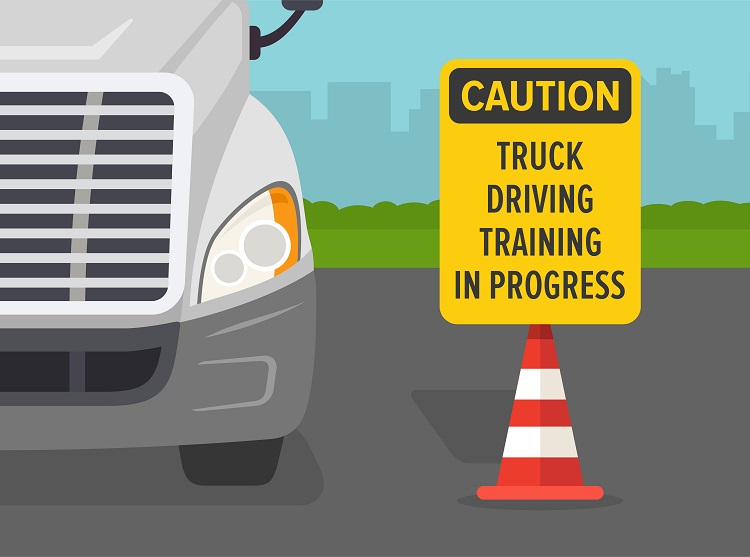
A driver finishes orientation and heads out on the first load. A few weeks later, a difficult backing situation or an unfamiliar trailer raises a question: Did training prepare that driver for the work your fleet actually does?
Truck driver training can help turn safety policies into everyday habits. Accountability supports that work by making expectations clear, addressing concerns consistently, and following up after coaching. Both depend on an operation that gives drivers the time, equipment, and support to work safely.
For fleet owners and safety managers, the opportunity is to connect what happens during hiring, behind the wheel, and in the next conversation with a driver.
What should fleets review before a driver starts?
Start with the qualifications and records required for your operation. A busy schedule can make an open seat feel urgent, but it is worth having a defined process for reviewing applicants and documenting hiring decisions.
FMCSA’s driver qualification guidance explains requirements involving employment applications, driving records, previous employment safety history, and road-test documentation or permitted equivalents. Confirm which requirements apply to the driver and position, and assign responsibility for keeping records current.
Screening resources serve different purposes:
- Motor vehicle records provide state driving-record information used in qualification reviews.
- The voluntary Pre-Employment Screening Program (PSP) provides five years of crash history and three years of roadside inspection history. Obtain the driver’s written consent before requesting a report.
- The Drug and Alcohol Clearinghouse provides information about drug and alcohol program violations and return-to-duty status for drivers covered by the program. It serves a different purpose from a crash or inspection report.
Use these records alongside the other checks applicable to your operation. During onboarding, also give drivers an opportunity to discuss equipment, assignments, or procedures they have less experience with.
What should truck driver training cover?
Build training around the work drivers will encounter. Someone with years of highway experience may still need instruction on your trailers, customer locations, cargo, or reporting procedures.
Depending on your operation, useful topics may include:
- Managing following distance, speed, and changing road conditions.
- Backing, parking, and maneuvering in tight delivery areas.
- Inspecting vehicles and reporting equipment concerns.
- Handling cargo and following applicable securement procedures.
- Recognizing fatigue and communicating when a trip cannot continue safely.
- Responding to a crash, breakdown, or roadside emergency.
Ask drivers to explain or demonstrate the task in their own words. That gives the trainer a chance to identify questions before the driver faces the situation alone.
When should drivers receive refresher training?
Consider a planned schedule of short refreshers, with additional coaching when the work changes or a concern appears. A new route, different equipment, seasonal weather, near miss, or recurring inspection issue may point to a useful training topic.
For example, repeated damage at customer docks may call for a closer look at backing practices. Talk with the drivers involved. Review the space available, lighting, delivery instructions, and pressure to unload quickly. The response may involve driver coaching, a conversation with the customer, or changes to the delivery plan.
If your fleet uses telematics or camera systems, explain what information is collected and how it informs coaching. Review events in context and give drivers a chance to describe what happened. An alert can start a conversation; it may not explain the whole situation.
What does fair driver accountability look like?
Drivers benefit from knowing what is expected, how concerns will be handled, and where they can get help. Put those expectations into language that is easy to understand and discuss them during onboarding and coaching.
A practical follow-up process can include:
- Review the concern and listen to the driver’s account.
- Identify the behavior or operating condition that needs attention.
- Agree on specific coaching or corrective action under company policy.
- Document the action and set a date to check progress.
- Recognize improvement and address recurring concerns consistently.
Recognition is important, too. Consider acknowledging useful hazard reports, sound judgment, and demonstrated improvement by your drivers. Be careful with incentives based only on having no reported incidents, as drivers should feel comfortable bringing concerns forward.
How can fleets tell whether training is helping?
Keep a record of the training topic, date, participants, skills reviewed, and planned follow-up. Review trends such as repeat backing incidents, recurring inspection findings, or coaching issues that continue after training. When comparing periods, account for changes in mileage, fleet size, and assignments.
Start with one recurring issue, choose a practical response, and revisit it with the drivers involved. That approach can make training more relevant and follow-through easier to manage.
As your drivers, equipment, and operations change, your insurance needs may change as well. Explore Acuity’s commercial truck insurance coverages and talk with your independent agent about your business.



An insurance company that cares about you and insuring the things you wish to be insured.
Get a Quote> Find an Agent>