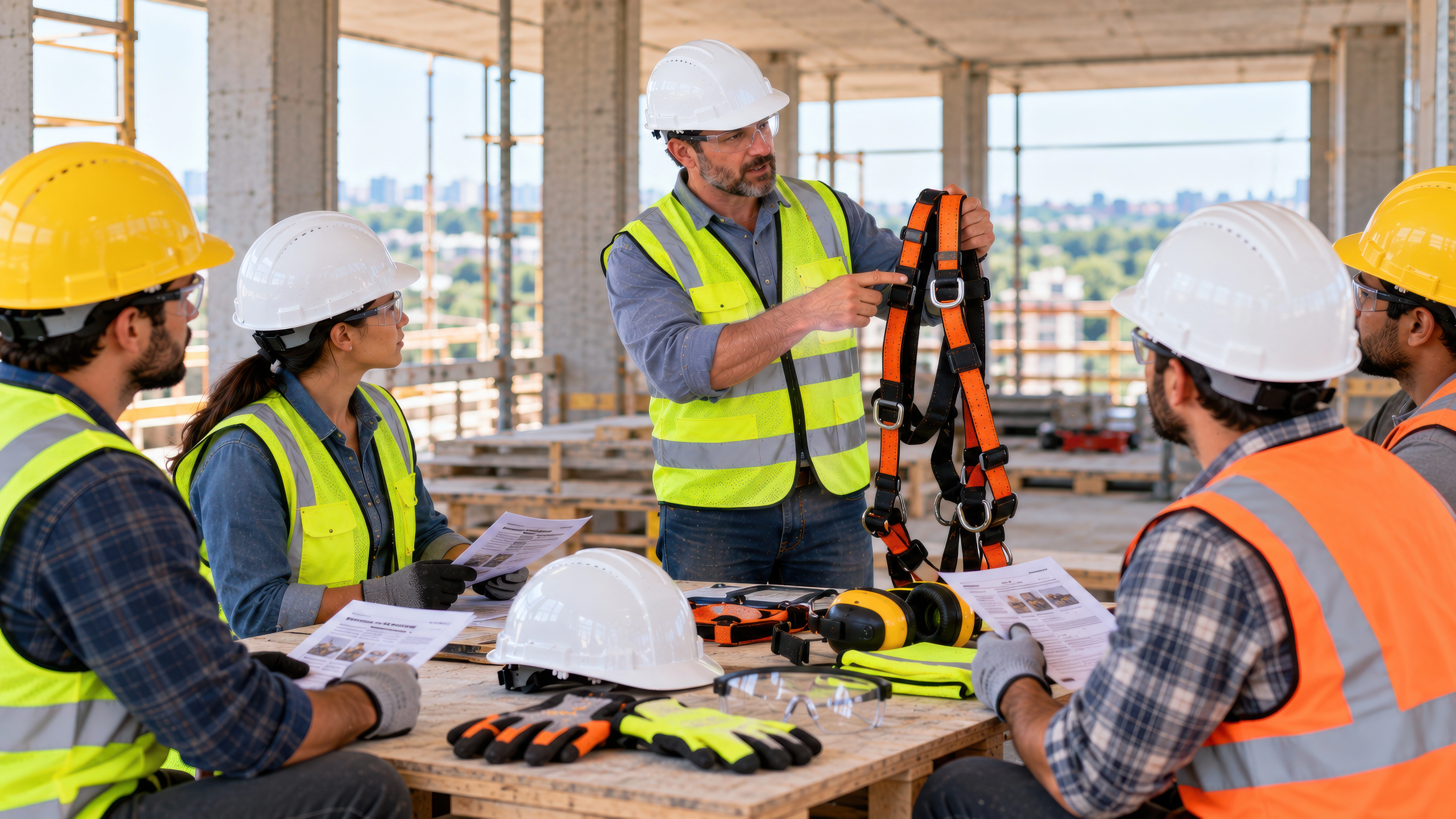
10 Considerations for OSHA Fall Protection Training Compliance
Fall protection training takes more than a meeting and a signed attendance sheet. Explore 10 considerations to help contractors prepare workers for jobsite hazards, reinforce safe practices, and support OSHA compliance.
Tips for Fostering a Safe Office Work Environment
Working in an office setting sometimes gives a false sense of safety and security. While an office may not have the heavy machinery of a manufacturing plant or employees working from heights as in construction, a general office setting still has risks. This article will outline some of the risks and what you can do to mitigate the effects of these risks in your office.

Understanding mental health in the construction industry can help you recognize when someone may be struggling and make support easier to find. Here are practical ways to bring mental health into your everyday safety conversations.
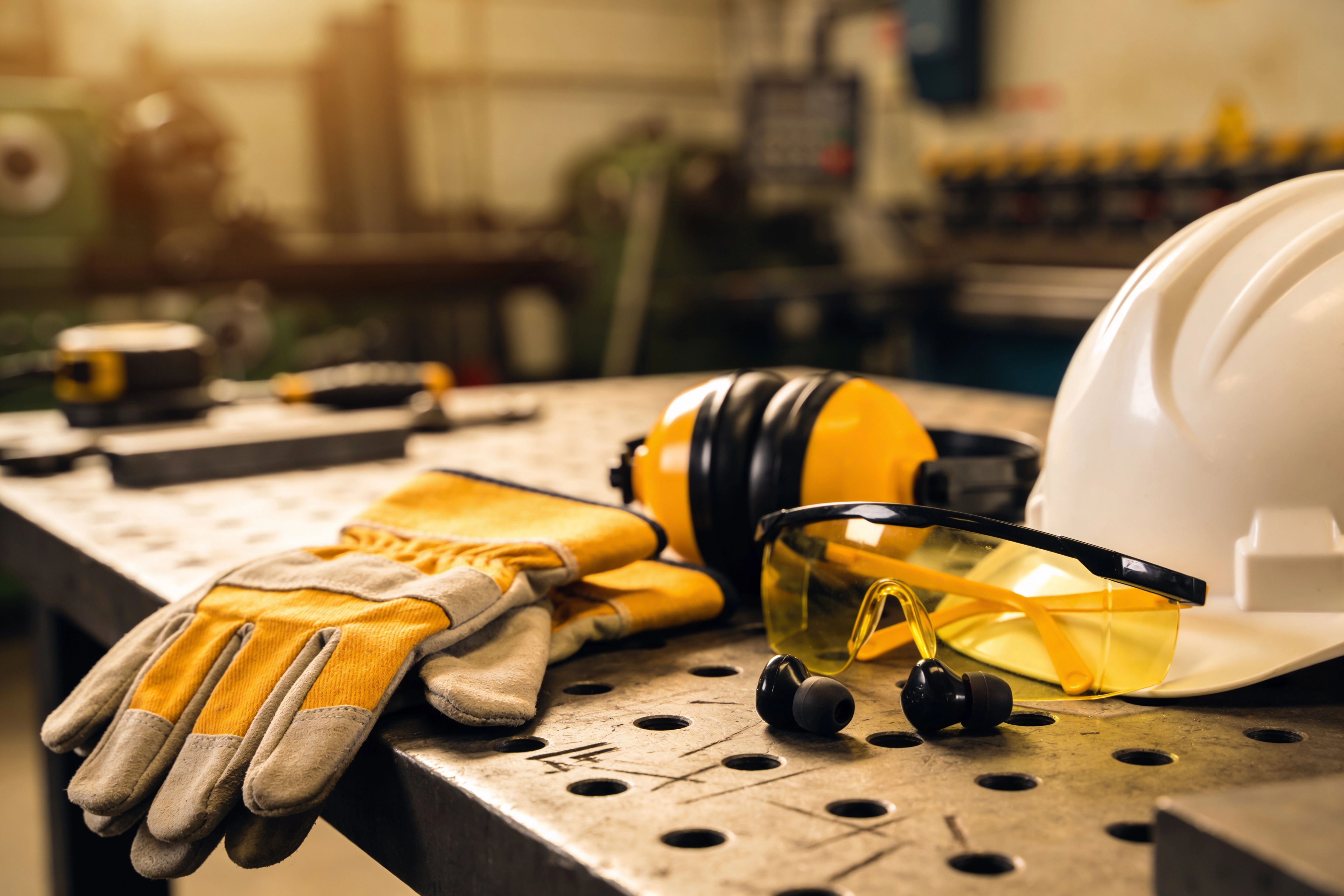
A safer jobsite takes more than equipment. Keep these 13 essentials ready—and support them with the planning, training, and inspections that help crews use them correctly.

Keeping employees safe is one of the most important responsibilities of any business. Discover strategies to engage your team, address potential hazards, and strengthen your workplace safety culture.
