Tips for Preventing Pipes from Freezing This Winter
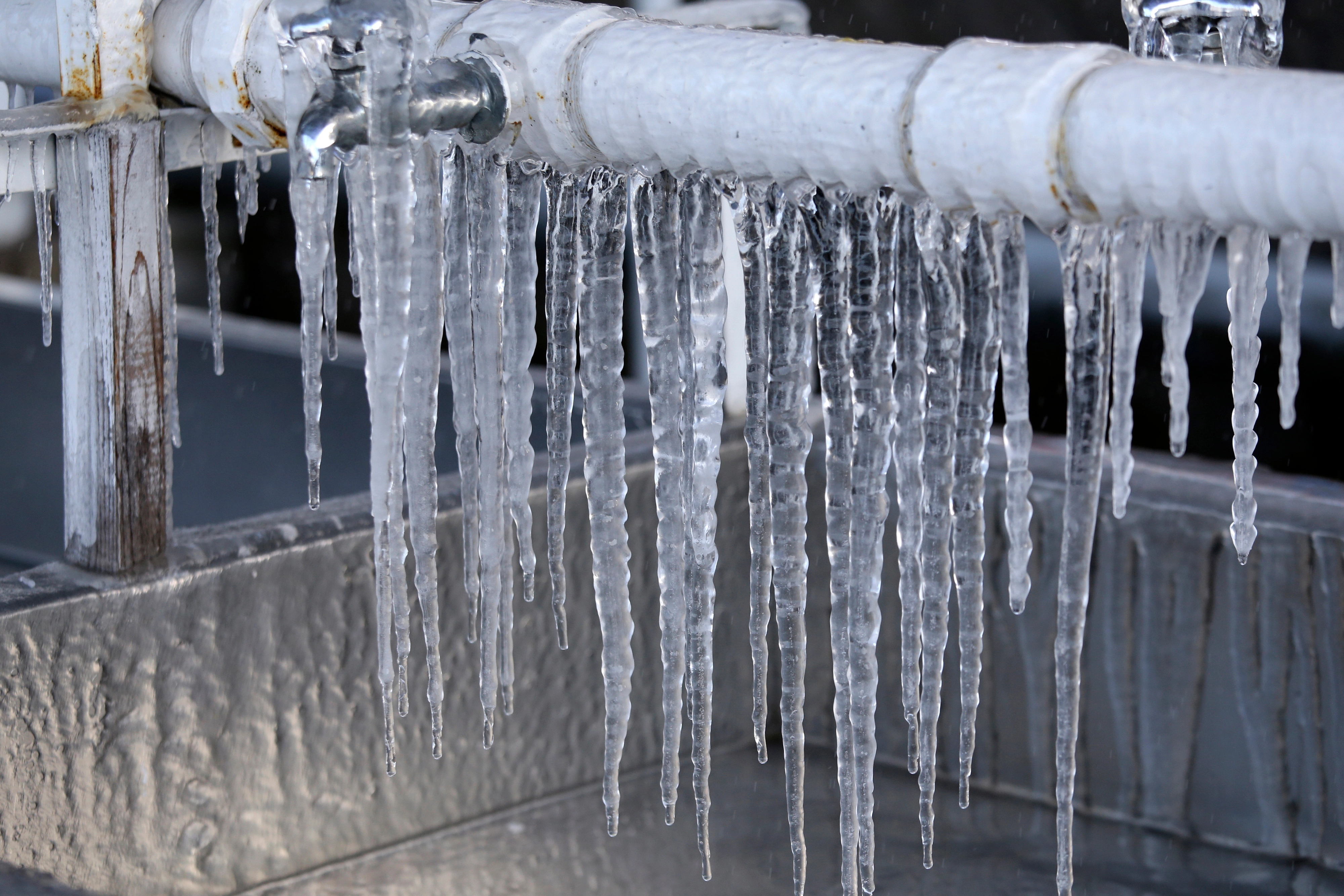
Whether you're a homeowner, business owner, landlord, or contractor, frozen pipes can be a major concern, with potentially costly consequences. Beyond cleanup and repair costs, you or your tenants may face temporary relocation, possible mold issues from moisture, and interruptions in business operations.
Why Frozen Pipes Are a Threat Everywhere
It’s not just buildings in traditional cold climates that are at risk; those in warmer regions are also susceptible. Since many buildings in warmer climates aren’t designed for prolonged freezing, a sudden cold snap can cause severe damage.
Identifying At-Risk Areas in Your Building
The windward side of a building—often the north or northwest side—is especially vulnerable to frozen pipes. Here are other areas that may be at risk:
- Attics and Crawl Spaces: These unconditioned spaces aren’t typically heated, making pipes here prone to freezing.
- Above Drop Ceilings: This area can be significantly cooler, especially near external walls.
- Inside Cabinets or Soffits: When pipes are along an exterior wall, cold air can affect them, as warm air may not circulate around the pipes.
- Stairwells and Exterior Doorways: Limited ventilation or propped doors can let in cold air, creating a risk for freezing.
- Riser Rooms: These rooms, often located along exterior walls, should maintain at least 40°F to prevent issues with wet fire sprinkler systems, as recommended by the National Fire Protection Association (NFPA 13).
- Older Buildings: These structures often lack modern insulation, which makes them more vulnerable.
- Vacant Properties: Even if heated, vacant buildings can become unconditioned if the heat malfunctions, increasing the risk of frozen pipes.
Understanding Cold Stress and Preventative Measures
When water lines are cut off from warm ambient air and exposed to freezing temperatures, pipes can rupture. The time for this to occur depends on pipe size and how low the temperature drops. Freezing could happen in just a few hours.
Here are six tips to help protect against frozen pipes:
- Routine Heating Maintenance: Regular heating system checks reduce the chance of failure during a cold spell. Temperature sensors can alert you to any unexpected heating loss.
- Assess Fire Sprinkler System: Contact a qualified fire sprinkler contractor to assess your freeze risk. They may recommend converting certain areas to a dry system or adding an anti-freeze loop to protect pipes in cold zones.
- Proper Insulation Selection: Insulate pipes with help from a contractor to slow the freezing process. Always prioritize having pipes in a conditioned area, if possible.
- Heating Vulnerable Areas: Insulate and add safe heating to cold spots with professional installation, ensuring compliance with safety codes.
- Weather Monitoring and Adjustments: When cold snaps occur, remove materials blocking warm air from reaching pipes, and let water trickle from a faucet when feasible to prevent freezing (though not on fire sprinkler lines).
- Exterior Door Maintenance: Ensure doors have proper weather stripping; no outdoor light should be visible from inside. Install door closures to keep doors shut, minimizing cold air entry.
Winterization Matters for Insurance
Remember, a burst pipe can lead to substantial water damage and costly repairs. Taking preventive measures now can help avoid filing claims and ensure your insurance remains focused on the most critical needs. Proper winterization can also contribute to smoother claims processing, should issues arise, as many insurers may require proof of preventative steps taken.
Whether dealing with a fire sprinkler system or a main water line, minimizing exposure to freezing temperatures is essential. Evaluate your pipe freeze risk, consult with qualified contractors, and make necessary winterization upgrades to protect your property and occupants this season.



An insurance company that cares about you and insuring the things you wish to be insured.
Get a Quote> Find an Agent>