5 Key Areas to Help Control Problems on the Construction Site
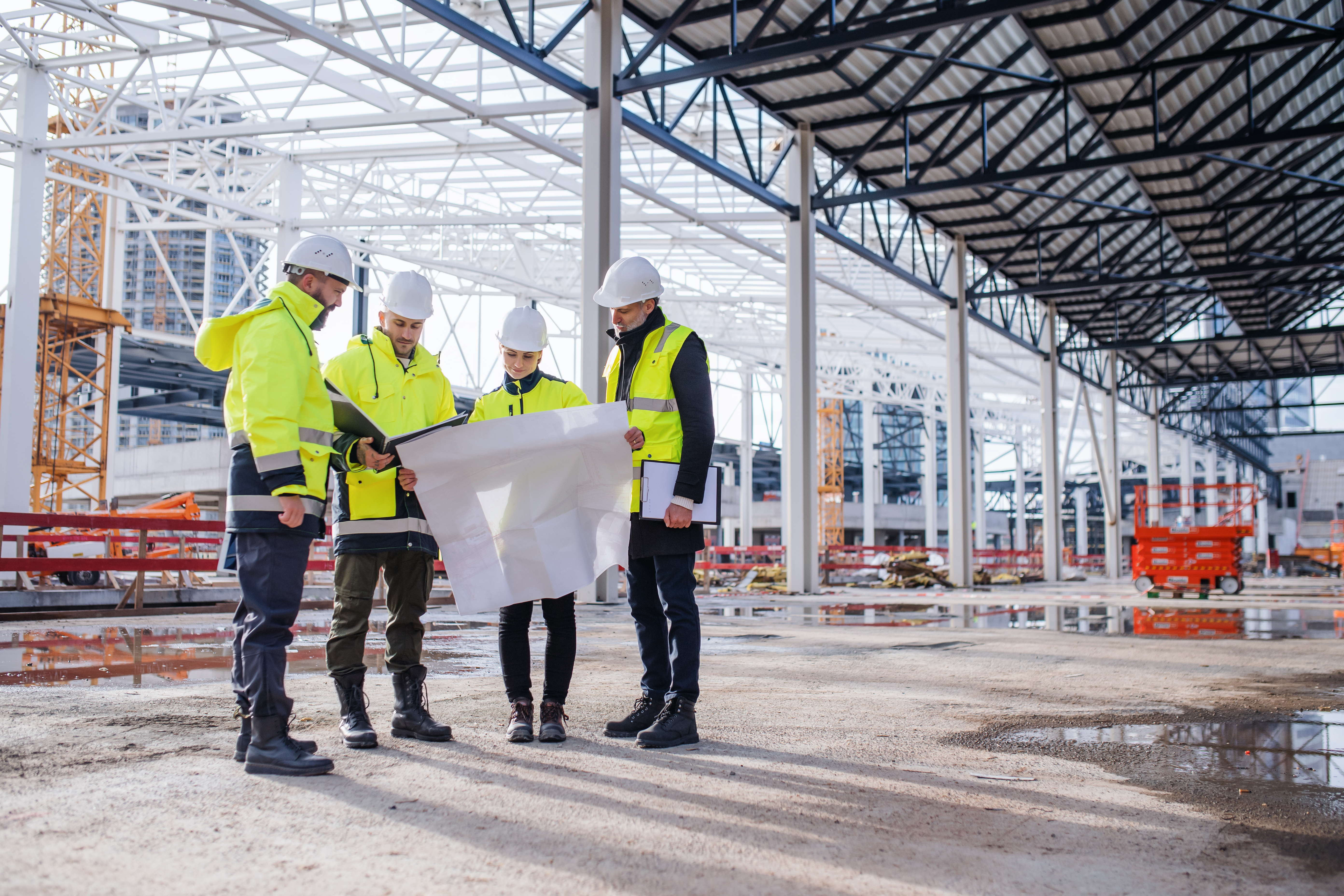
There is no substitute for experience—especially in construction. Years of time building projects, managing employees, working with owners, hiring subcontractors, keeping the cash flow coming in, and tackling daily issues as they arise all mold a person into an expert in their field.
Below are 5 areas in which experience is useful in a construction company to help avoid problems.
- Management. Many problems in construction can be traced back to poor management. A construction management team has the responsibility to put the right people in place to oversee, coordinate, and organize the activities of a business in order to achieve a defined objective. Management affects all areas of a business—which is why investing in quality staff is critical. From office administration to field management, good leadership keeps everything interconnected and flowing well.
- Legal. There is always a level of risk for a construction company. Just as you need a floor plan to build a building, you need a plan to keep your company legally protected. Having a well-defined contract outlining your protection is the foundation. Conflict disagreements with owners, subcontractors, and material suppliers can manifest into long, drawn-out situations that can cost considerable time and money. As laws change and more regulations are put in place, it is more important than ever to stay on top of things.
- Employees. Employees are the bedrock of a company. Developing and keeping good employees can be challenging in an industry where workloads fluctuate. Construction workers today tend to move on more than ever. Good wages and benefits help, but in my experience, performance-based incentive programs are what keep good people around. Offering a three- or four-year on-the-job training program for new employees shows your willingness to invest in employees. It offers job security for employees and encourages employees to work hard during their years in the program. Delegating to employees can also bring a sense of power and security and make them feel like an important part of the company.
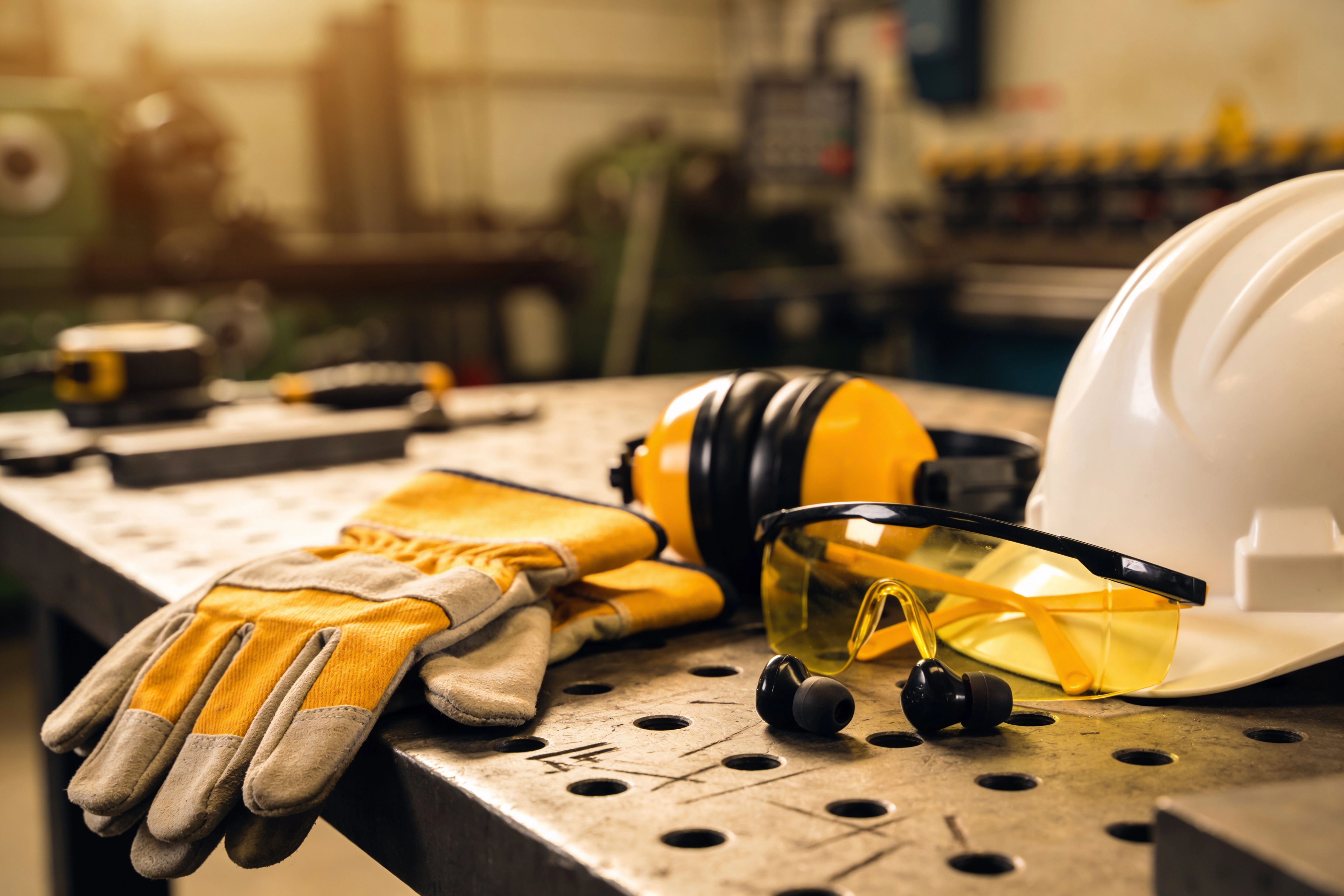
- Safety. Safety must be one of the highest priorities in any company, especially construction. Employing a well-seasoned in-house safety director can create and maintain a strong safety culture. As new employees join the company and environments change from job site to job site, constant monitoring can bring about the need for additional general safety training or for specific employees.
- Sales. Keeping fresh new work coming in can be challenging. Many times the company’s owner seems to be the salesman even in spite of everything on their plate. Sales seem to be the toughest responsibility for the owner to let go—even if that owner lacks promotional skills. An owner may have good knowledge of the product or service he or she is selling, but there is much more to sales.
Enthusiasm can carry a meeting when things begin to go awry. The ability to solve problems can help you create solutions to satisfy customers’ needs. Listening carefully to customers can show understanding. Assertiveness can move a sales situation forward without offending or frustrating customers. Keep all of these items in mind as your construction business grows.

An insurance company that cares about you and insuring the things you wish to be insured.
Get a Quote> Find an Agent>